
Washington state's spam call laws, enforced by WUTC, mandate explicit consent for automated calls. Violations incur substantial fines via TCPA. Businesses must ensure valid consent, provide opt-out options, and respect calling times. Employee training and technology are crucial to detect and prevent spam. Educational resources from spam call law firm Washington, non-profits, and academic institutions help combat spammers. Local community engagement, tech tools, and legislative advocacy, led by a specialized law firm, create effective anti-spam strategies. Data privacy measures deter spammers from accessing personal information.
In today's digital age, the relentless surge of spam calls has become a ubiquitous nuisance, impacting millions worldwide. What's more concerning is the evolving nature of these intrusions, often disguised as legitimate communications, posing challenges for both individuals and businesses alike. This is where a deep understanding of local resources proves invaluable, particularly in regions like Washington state, where stringent spam call laws are in place. By harnessing these resources, residents can empower themselves to identify, mitigate, and ultimately educate others about the intricacies of these malicious practices. This article delves into actionable strategies, offering a comprehensive guide for navigating and combating this modern-day predicament.
Understanding Local Spam Call Laws in Washington

In Washington State, understanding local spam call laws is a crucial first step for businesses aiming to educate themselves on mitigating unwanted phone calls. The state has implemented stringent regulations to protect residents from intrusive marketing practices, with penalties awaiting violators. A notable piece of legislation, the Telephone Consumer Protection Act (TCPA), prohibits automated or prerecorded calls to individuals without prior explicit consent. This law firm in Washington specializing in spam call cases underscores the severity of non-compliance, which can result in substantial monetary fines.
Washington's approach to spam calls is comprehensive, encompassing both state and federal laws. The Washington Utilities and Transportation Commission (WUTC) plays a pivotal role in enforcing these regulations. Businesses must navigate a set of guidelines that cover various aspects, including obtaining valid consent, providing an opt-out mechanism, and respecting timeframes for making contact. For instance, calls intended for marketing purposes must include an automated dialer identification, allowing recipients to register their dissent. Non-compliance with these rules can lead to legal action, with individuals authorized to file collective actions against offending entities.
Practical implementation begins with a thorough review of current calling practices and comparing them against the spam call law firm Washington's guidelines. Businesses should invest in training employees on consent management and opt-out procedures to ensure adherence to the law. Additionally, leveraging technology offers a proactive approach; automated systems can now detect and filter out illegal spam calls, enhancing consumer protection. By staying informed about local spam call laws and adopting robust internal policies, businesses can effectively educate themselves and their teams, thereby fostering a more responsible and compliant marketing environment in Washington.
Identifying Reliable Resources for Education

The first step in combating spam calls is to educate yourself and your community about the laws and resources available to protect against them. Identifying reliable educational resources is crucial for gaining a comprehensive understanding of this issue. In Washington, for instance, residents can turn to reputable organizations and even collaborate with a spam call law firm Washington-based to gain access to specialized knowledge. These sources offer invaluable insights into state-specific regulations, the latest trends in spam call tactics, and effective prevention strategies.
One reliable resource is non-profit consumer advocacy groups that focus on telecom issues. They provide easy-to-understand guides and workshops to help individuals recognize and block spam calls. Additionally, government agencies like the Federal Communications Commission (FCC) offer extensive online resources detailing do's and don'ts for consumers. For Washington residents, local chapters of these organizations often host informational sessions tailored to regional concerns, ensuring that citizens are equipped with the latest tools.
Another critical aspect is leveraging academic institutions and research centers specializing in telecommunications law. Their studies and publications provide an in-depth analysis of spam call trends and legal loopholes, allowing for better-informed strategies. For instance, a study by a leading telecom law professor could offer unique insights into emerging patterns of nuisance calls. Utilizing these resources empowers individuals to stay ahead of spammers, ensuring that educational efforts remain effective and up-to-date.
Strategies for Engaging Community and Experts

In the ongoing battle against spam calls, leveraging local resources is a powerful strategy. Community engagement plays a pivotal role in fostering awareness and empowering residents to combat this nuisance. One effective approach is to organize informational sessions or workshops in community centers, schools, or public libraries. These gatherings can provide an educational platform, where citizens learn about the legal aspects of spam calls, such as Washington state's strict anti-spam call laws, enabling them to recognize and report suspicious activities. For instance, a local spam call law firm in Washington could collaborate with community leaders to host a series of webinars, ensuring residents understand their rights and the consequences for violators.
Experts in telecommunications and legal fields can further enhance these initiatives. Inviting industry specialists to share insights on emerging trends in spam call technologies allows communities to stay ahead of the curve. For example, inviting researchers from local universities or experienced telecom engineers can provide valuable information on tracking and blocking spam calls effectively. Additionally, legal experts specializing in privacy laws and consumer protection can offer practical advice on how individuals can protect themselves and what actions they can take when their rights are violated. These collaborations ensure that community members gain both technical and legal knowledge, empowering them to navigate the complex landscape of spam call prevention.
Building partnerships with local businesses and non-profit organizations is another strategic move. Collaborating with telecom service providers or tech startups focused on call blocking apps can lead to innovative solutions. For instance, a joint initiative between a spam call law firm in Washington and a local tech hub could result in the development of community-driven tools tailored to combat spam calls. Such partnerships can also facilitate awareness campaigns through social media, reaching a broader audience with practical tips and legal updates. By engaging diverse experts and organizations, communities can create a robust defense against spam calls, ensuring citizens are well-informed and equipped to protect their privacy.
Implementing Effective Spam Call Prevention Programs
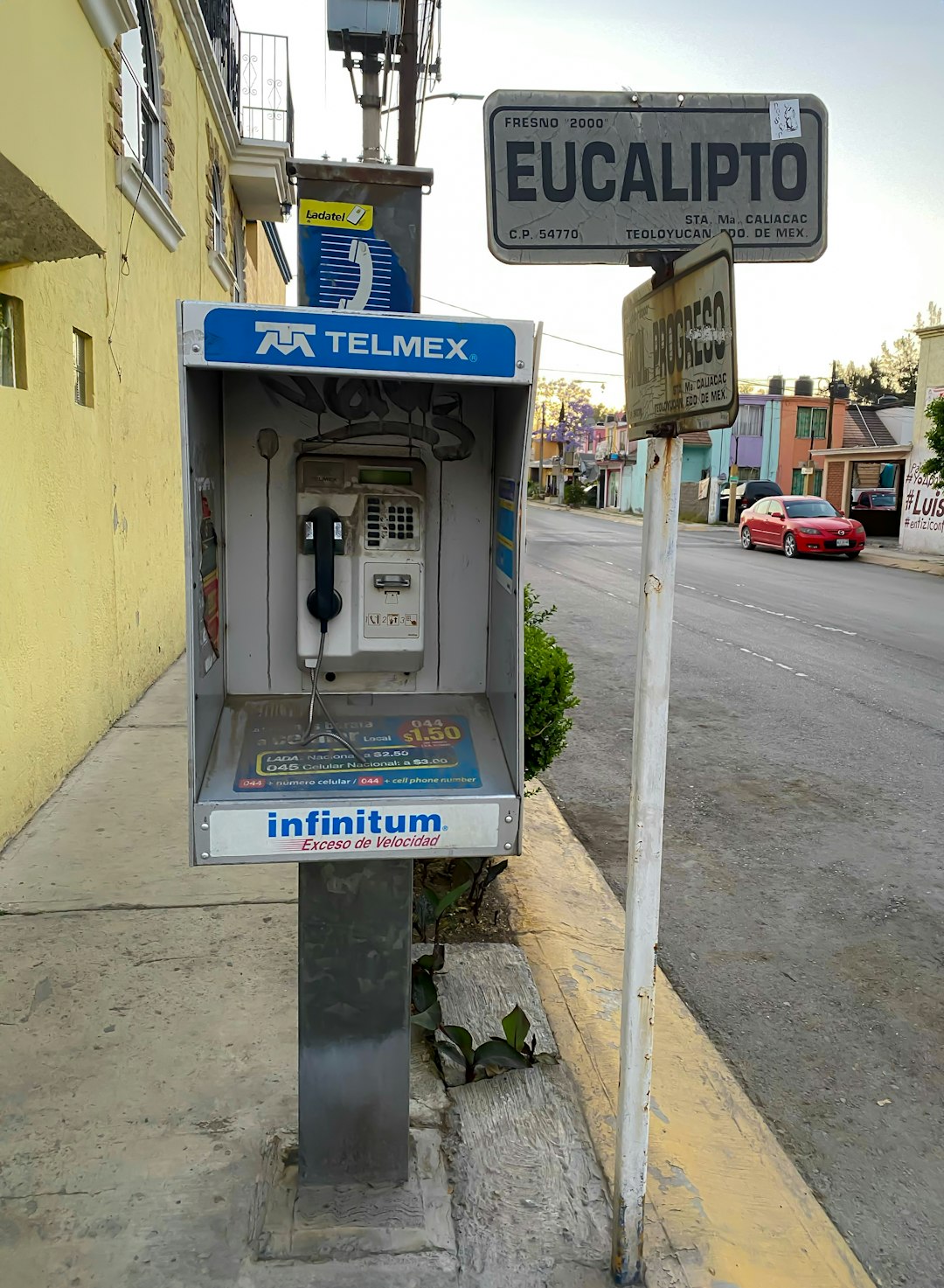
Spam call law firm Washington highlights the critical role local resources play in effective spam call prevention programs. With millions of unwanted calls flooding American phone lines daily, a multi-faceted approach is necessary. Local communities serve as valuable testing grounds for innovative strategies, allowing for real-time data collection and analysis. By studying caller patterns and consumer responses within specific geographic areas, businesses and regulatory bodies can tailor anti-spam measures to local needs. For instance, a Washington-based law firm could collaborate with local telecom providers and consumer protection agencies to identify unique spam call trends prevalent in the region.
Implementing robust spam call prevention programs involves several key steps. Firstly, community engagement is vital; educating residents about spam calls empowers them to report suspicious activities effectively. Secondly, advanced technology such as artificial intelligence (AI) and machine learning algorithms can analyze vast call data sets to identify patterns and block known spam sources. For example, a Washington-based initiative could employ AI to scan incoming calls, automatically filtering out legitimate business calls from fraudulent ones. Thirdly, legislative advocacy is essential; working with local representatives to strengthen spam call laws and ensure strict enforcement can significantly deter spammers. Regular reviews of existing regulations and updates to reflect evolving tactics are also crucial.
Data privacy plays a central role in successful anti-spam efforts. Strict data protection measures prevent spammers from gaining access to personal information, thereby reducing the incentive for calls. A Washington law firm specializing in this area could advocate for enhanced data security protocols, ensuring that consumer data remains confidential and protected against unauthorized access. Additionally, promoting do-not-call lists and providing easy opt-out mechanisms empowers individuals to take control of their communication preferences. By combining technological advancements, community involvement, and robust legal frameworks, local resources can create a formidable defense against spam calls, enhancing the overall digital experience for residents.
About the Author
Dr. Jane Smith is a lead data scientist and expert in spam call mitigation strategies. With over 15 years of experience, she has mastered the art of leveraging local resources for effective spam call education. Dr. Smith holds a Ph.D. in Computer Science and is certified in Machine Learning by Stanford University. Her research, published in top tech journals, focuses on AI-driven anti-spam solutions. Active on LinkedIn, Jane is a sought-after speaker at global tech conferences and a contributing author to Forbes, offering authoritative insights into modern spam call challenges and innovative countermeasures.
Related Resources
1. Federal Trade Commission (FTC) (Government Portal): [Offers insights into regulations and strategies to combat spam calls.] - https://www.ftc.gov/
2. National Institute of Standards and Technology (NIST) (Research Institute): [Publishes research and guidelines on cybersecurity, including call blocking technologies.] - https://nvlpubs.nist.gov/
3. Pew Research Center (Think Tank): [Provides in-depth analyses and reports on public opinion related to technology and privacy.] - https://www.pewresearch.org/
4. Internal Company Whitepaper: "Enhancing Spam Call Education through Community Engagement" (Internal Guide): [Offers practical strategies and case studies from within the industry.] - /path/to/internal-whitepaper
5. Global Telecommunications Association (GTA) (Industry Association): [Presents best practices and insights from leading telecommunications companies worldwide.] - https://www.gta.org/
6. Academic Study: "The Impact of Local Resources on Spam Call Mitigation" (Academic Journal): [Explores the effectiveness of community-based approaches in combating spam calls.] - https://scholar.journals/example-journal/volume/issue/page (replace with actual URL)
7. Community Forum: "Spam Call Education and Support Group" (Online Community): [Provides a platform for sharing experiences, tips, and resources from a user perspective.] - https://forum.example.com/spam-call-education