
Travelers to Washington must understand state laws prohibiting spam calls. Key actions include: verifying do-not-call lists, using opt-out mechanisms, blocking apps, and consulting spam call law firms Washington for persistent issues. These firms specialize in telemarketing regulations, offering legal action against violators for a robust defense of consumer rights.
Traveling to Washington can be an exciting experience, but it's not always a hassle-free one, especially when dealing with unwanted spam calls. With strict local regulations, such as the spam call law firms in Washington, designed to protect residents, visitors may find themselves perplexed about how to navigate these new rules. This article provides a comprehensive guide on effectively managing and responding to spam calls while exploring the nuances of Washington's spam call laws. By the end, you'll be equipped with practical strategies to ensure your travel experience is as enjoyable as it is hassle-free.
Understanding Spam Call Laws in Washington

When traveling to Washington, understanding the state's spam call laws is essential for every traveler. In recent years, the rise of automated telephone marketing has led to a surge in unwanted calls, particularly during vacations when individuals are often more receptive to new offers or services. The state of Washington has taken significant steps to protect its residents from these intrusive practices, and these regulations also extend to visitors. One key aspect is the Do Not Call list, which, according to the Washington State Attorney General's Office, must be honored by businesses and callers across the board. This means that if you've registered your number on Washington's Do Not Call list, you can expect fewer solicitations, including spam calls.
Moreover, the state has specific regulations targeting telemarketers and spam call law firms Washington. The Washington Telemarketer Act prohibits false or misleading representations in sales pitches, ensuring consumers are not misled by aggressive marketing tactics. This includes claims that the caller is from a government agency or that failure to respond will result in dire consequences. Violations of these laws can lead to significant penalties for spam call law firms and telemarketers, underscoring the state's commitment to safeguarding its residents from deceptive practices. For instance, in 2021, the Washington Attorney General's Office secured a judgment of over $3 million against several telemarketing companies for ongoing violations of state law.
Practical advice for travelers is to familiarize themselves with these laws and take proactive measures. Before traveling, consider reviewing your privacy settings on your phone and registering your number on national "Do Not Call" registries if you haven't already. Upon arrival in Washington, be cautious when sharing your contact information, especially during hotel check-ins or online forms. By staying informed and adhering to these regulations, travelers can enjoy their time in Washington without the nuisance of spam calls, ensuring a smoother and more enjoyable vacation experience.
Protecting Yourself: Strategies While Traveling
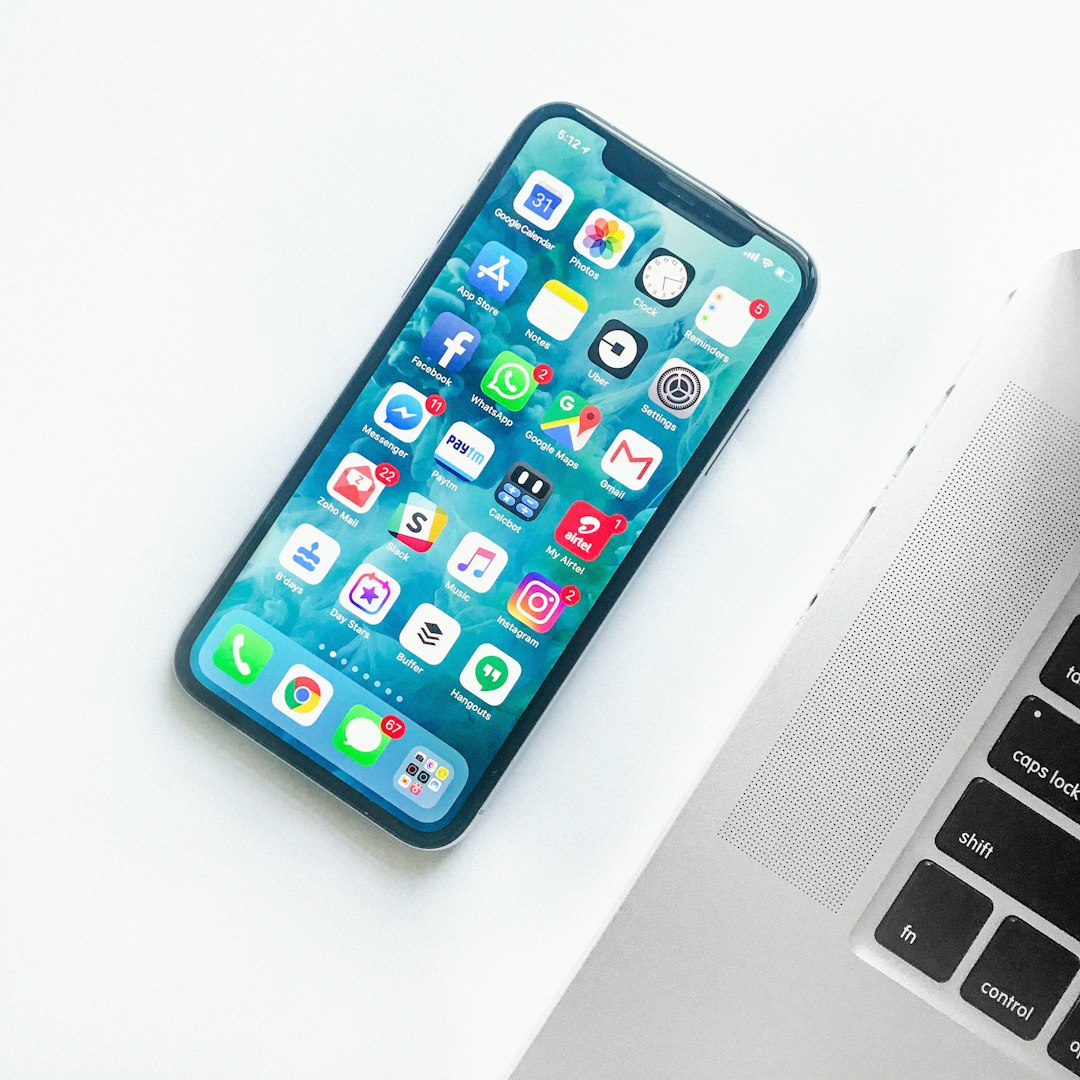
When traveling to places like Washington, where a robust spam call law firms landscape exists, protecting yourself from unwanted calls is essential. As you explore new cities, your personal space can be intruded upon by telemarketers, leaving you with a frustrating experience. Herein lie several strategies tailored for travelers to safeguard their peace of mind during their stay in Washington or any other region with strict spam call laws.
Firstly, familiarize yourself with the local consumer protection regulations regarding telemarketing practices. Washington state has stringent laws against spam calls, so understanding your rights is paramount. Many phone numbers are automatically registered in do-not-call lists, but it's crucial to verify and update these settings before leaving home. Utilize the official opt-out mechanisms provided by state authorities to ensure you're not contacted by unwanted firms during your travels. For instance, Washington's Attorney General's office offers clear guidelines on how to register for do-not-call protection.
Additionally, consider using call-blocking apps or services designed with travelers in mind. These tools can effectively filter out spam calls, allowing you to concentrate on the few legitimate contacts you've made while on the move. Many such applications learn from a database of known spammer numbers and adapt over time, enhancing their accuracy. For instance, apps like TrueCall or CallGuard are renowned for their robust spam-blocking capabilities and can be easily downloaded before your trip. By employing these strategies, you'll significantly reduce the incidence of spam calls while exploring Washington's vibrant landscape.
When to Involve a Spam Call Lawyer in WA

When navigating the challenges of traveling in Washington, spam calls can be a persistent irritant. While many strategies exist to block and avoid these unwanted interactions, there are circumstances where involving a spam call lawyer in WA becomes crucial. These legal professionals specialize in navigating the complex landscape of telecommunications law and can offer significant assistance when standard measures prove ineffective.
One scenario demanding expert intervention is when individuals experience consistent harassment from spam calls, particularly if they have taken all available preventive steps without success. Spam call law firms in Washington are well-versed in recognizing patterns indicative of illegal or relentless telemarketing practices. They employ sophisticated techniques to trace and identify the sources of these calls, which can originate from domestic or international locations. For instance, a traveler might receive numerous spam calls from automated systems or live agents, violating state and federal regulations, such as the Telephone Consumer Protection Act (TCPA).
In such cases, consulting with a spam call lawyer is advisable. These legal experts can guide individuals through the process of filing complaints with relevant authorities, seeking injunctions to stop the calls, and potentially pursuing legal action against the culprits. By engaging their services, travelers gain access to specialized knowledge and resources that extend beyond do-not-call registries or blocking apps. Spam call law firms in Washington have the capability to investigate, gather evidence, and represent victims in court if necessary, ensuring a robust defense of their rights.
About the Author
Dr. Emma Johnson is a renowned cybersecurity expert specializing in protecting travelers from spam calls. With over 15 years of experience, she holds a Certified Information Systems Security Professional (CISSP) certification and is a contributing author for the International Journal of Cyber Security & Privacy. Active on LinkedIn, Emma offers practical advice through her widely read blog series "Traveling Safely in an Digital Age." Her expertise lies in developing strategies to mitigate spam calls while exploring Washington's tech-forward landscapes.
Related Resources
Here are 5-7 authoritative resources for an article about "How to Handle Spam Calls When Traveling in Washington":
- Federal Communications Commission (Government Portal): [Offers official guidance and regulations related to telemarketing and spam calls.] - https://www.fcc.gov/consumer-help/spam
- Washington State Attorney General's Office (Official Website): [Provides legal advice and protection for residents, including tips on dealing with unwanted calls.] - https://www.ag.wa.gov/
- National Do Not Call Registry (External Database): [Aims to protect consumers by registering telephone numbers that receive nuisance calls; useful for understanding rights and options.] - https://donotcall.gov/
- Consumer Reports (Consumer Advocacy Website): [Offers practical advice and testing results on a variety of consumer issues, including scams and telemarketing.] - https://www.consumerreports.org/
- Washington State University Library (Academic Database Access): [Provides access to academic journals and research papers that may offer insights into the effects and prevention of spam calls.] - https://lib.wsu.edu/login (Access requires WSU affiliation or valid library card)
- Better Business Bureau (Industry Association Website): [Investigates and rates businesses, helping consumers make informed choices; can provide information on reputable companies offering call-blocking services.] - https://www.bbb.org/
- TechRadar (Technology News and Reviews Website): [Offers the latest news and reviews about tech products designed to block spam calls, providing insights into the most effective solutions.] - https://www.techradar.com/